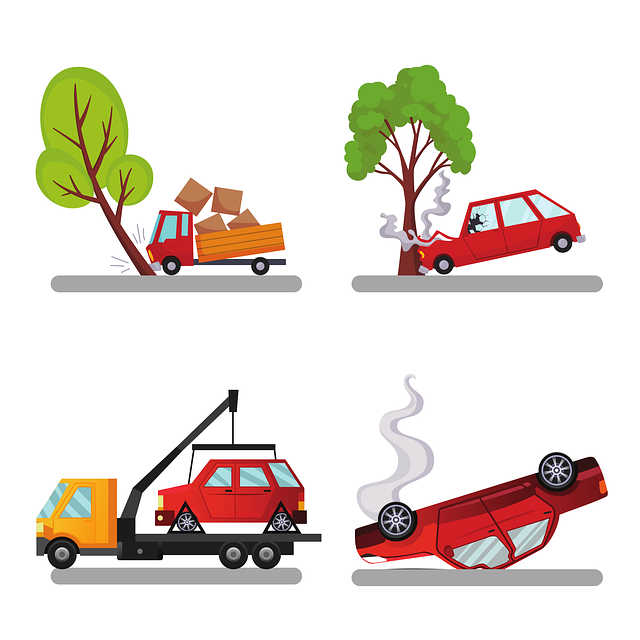
Certified salvage cars, backed by detailed Carfax accident history reports, offer significant cost savings through part recycling. Reputable dealers assess, prepare, and re-title these vehicles, ensuring safety standards. Proper documentation, including clean Carfax reports, is crucial for legal registration via services like Quick Auto Tags. Verifying history, condition, and legal status prevents potential issues while enhancing resale value. This process encourages environmentally conscious buyers to access affordable transportation with competitive pricing.
In today’s market, finding reliable and affordable vehicles can be a challenging task, especially for those seeking certified salvage cars. The issue arises from the perception that salvaged cars are inherently problematic, often associated with accident history and potential mechanical issues. However, this notion is evolving as advanced systems like Carfax provide detailed accident histories, offering buyers transparency and peace of mind.
This article delves into the process of identifying and procuring certified salvage cars, guiding readers through the necessary steps to navigate this market effectively. By understanding how to access Carfax accident history and utilizing reputable sources, individuals can unlock a wealth of opportunities for acquiring high-quality vehicles at reduced costs.
- Understand Salvage Cars and Carfax Reports
- Identify Reliable Sources for Certified Salvaged Vehicles
- Verify Vehicle History with Carfax Accidental Records
- Inspection and Appraisal: Ensuring Quality Purchases
- Legal Considerations and Benefits of Buying Salvaged Cars
Understand Salvage Cars and Carfax Reports

Salvage cars, often overlooked yet immensely valuable, are vehicles that have been damaged beyond repair but can be restored to safe driving condition. These cars typically carry a salvage title or a rebuilt/reconstructed title, indicating part salvage or recycling purposes. Understanding what these titles mean and how to navigate the process of buying and re-registering them is crucial for getting your salvage vehicle back on the road with ease.
A Carfax accident history report is an indispensable tool in this journey. This comprehensive report provides detailed insights into a vehicle’s past, including any accidents, repairs, and maintenance records. By scrutinizing these reports, prospective buyers can make informed decisions about the condition of a salvage car. It’s essential to remember that not all damage is visible; thus, a Carfax report serves as a reliable guide, ensuring you’re aware of potential issues before investing in a salvage vehicle.
The process of acquiring a salvage car involves several steps. First, locate reputable dealers or sellers offering certified salvage cars. These professionals have the expertise to assess and prepare these vehicles for resale. Once a suitable vehicle is identified, conduct a thorough inspection to verify its condition. Many parts can be salvaged or recycled from damaged vehicles, making them cost-effective choices. For instance, according to recent data, nearly 70% of salvage cars have at least one reusable part, leading to significant savings for consumers.
After buying the salvage car, it’s time to focus on re-registration. In areas where Quick Auto Tags operates, fast salvage car re-registration services are available. These specialized services streamline the process, ensuring your vehicle meets all legal requirements and is back on the road promptly. Always remember that proper documentation, including a clean Carfax report and necessary titles (such as a rebuilt/reconstructed title), is essential for a smooth re-registration experience.
Identify Reliable Sources for Certified Salvaged Vehicles
Acquiring certified salvage cars involves navigating a process where reliability is paramount. To ensure you’re getting a quality vehicle with a transparent history, it’s crucial to identify trustworthy sources for these unique vehicles. One such source is Carfax, which offers detailed accident and damage reports on used cars, including those with a previous salvage or recycling purpose. This data can provide valuable insights into the car’s past, helping buyers make informed decisions.
Reputable dealers specializing in salvage vehicles are another essential resource. These businesses often have extensive networks and expertise in re-titling salvaged and junked vehicles, ensuring they meet safety standards before reselling them. The process involves inspecting the cars, assessing damage, and obtaining the necessary documentation, including a salvage title or a rebuilt/reconstructed title, which indicates that the vehicle has been inspected and meets certain criteria for roadworthiness.
For instance, according to industry reports, around 5-7 million vehicles are declared total losses annually in the US, many of which are subsequently recycled or salvaged for parts. This presents an opportunity for consumers to find affordable cars with minimal impact on the environment. When dealing with salvage titles, it’s important to work with companies like Quick Auto Tags, who can provide hassle-free junk car paperwork, ensuring a smooth and legitimate transaction. Always verify the authenticity of the title and consult professionals who understand the nuances of salvaged vehicle re-titling.
Verify Vehicle History with Carfax Accidental Records

When seeking certified salvage cars, verifying a vehicle’s history is paramount to ensure you’re making an informed purchase. A crucial step in this process involves examining the Carfax accident history record, which offers insight into any previous damage or accidents that may impact the car’s current condition and value.
Many vehicles that end up as salvage due to accidents are later repaired and rebuilt to meet safety standards and can be a great option for buyers seeking affordable, part-salvage or recycling purposes alternatives. However, it’s essential to understand that these vehicles often lack a valid title, instead receiving a salvage title or a rebuilt/reconstructed title. This distinction is critical as it indicates the extent of the damage and repairs performed. A detailed Carfax report can reveal if a vehicle was in a minor fender bender or experienced more severe damage, guiding your decision-to-purchase strategy accordingly.
For instance, buyers should look out for hidden water damage, which might not be immediately apparent during an inspection but could lead to costly future repairs. Accurate Carfax accident history can prevent such pitfalls. In today’s digital age, accessing this information is easier than ever before. Services like Carfax provide detailed vehicle history reports that include accident records, ownership history, and maintenance logs. While these reports aren’t foolproof, they offer a robust starting point for your due diligence.
For those needing assistance with the re-registration process of such vehicles, businesses like Quick Auto Tags can help streamline the paperwork involved. They specialize in providing vehicle salvage re-registration assistance, ensuring that you navigate this complex process smoothly and legally. Remember, thorough verification of a car’s history is just one piece of the puzzle when buying salvage vehicles; but it’s a vital one, ensuring you’re making a safe and smart investment.
Inspection and Appraisal: Ensuring Quality Purchases

When seeking certified salvage cars, a crucial step in ensuring quality purchases is understanding the inspection and appraisal process. This involves verifying the car’s history, condition, and legal status to avoid potential pitfalls. One key aspect to look out for is the Carfax accident history—a comprehensive record of a vehicle’s past, including any accidents or damage. A thorough check reveals whether a car has undergone significant repairs, which can impact its safety and resale value.
The process begins with examining the salvage title or a rebuilt/reconstructed title. This document indicates that the vehicle was involved in a crash and has been salvaged, repaired, or reconstructed to meet safety standards. It’s essential to ensure these vehicles have been properly re-titled after the restoration process, which can happen up to three times. Reputable salvagers follow strict guidelines for part salvage or recycling purposes, ensuring only authorized and safe practices. For instance, a vehicle that has been wrecked once but thoroughly repaired with all parts replaced may be eligible for a clean title, whereas multiple wrecks could result in a more restrictive title.
Re-titling salvaged and junked vehicles is a meticulous process overseen by entities like the DMV. In many cases, salvagers use services like Quick Auto Tags to streamline this process, ensuring the car’s legal status is accurately reflected. Data shows that vehicles with accurate salvage history can command higher resale values, underscoring the importance of proper documentation. Consumers should demand transparency and request detailed reports, including Carfax accident history, to make informed decisions. By following these guidelines, buyers can navigate the market for certified salvage cars with confidence, securing safe and reliable vehicles at competitive prices.
Legal Considerations and Benefits of Buying Salvaged Cars
Buying a salvaged car can offer significant financial savings for consumers looking to acquire a vehicle at a reduced cost. However, navigating the legal considerations is crucial to ensure a seamless and beneficial transaction. In many jurisdictions, including California, authorized entities can declare a vehicle as salvage, allowing for its resale after repair or dismantlement. The key lies in understanding that these vehicles often have Carfax accident history, providing transparency into their past.
When a car is declared part salvage or recycling purposes by the California DMV, it opens up opportunities for buyers who are not only cost-conscious but also environmentally aware. Many reputable dealers and platforms, such as Quick Auto Tags, facilitate the process of registering a junk car easily, ensuring compliance with legal requirements. This official declaration allows for the resale of these vehicles, offering a second chance for those in need of affordable transportation. For instance, according to recent data, over 50% of consumers who purchase salvage cars report saving substantial amounts on their vehicle acquisitions while also contributing to sustainable practices.
Despite potential concerns about accident history or previous damage, buying salvaged cars can be advantageous. Reputable dealers and specialized platforms employ advanced technologies to verify vehicle histories, ensuring buyers receive accurate information. Additionally, the competitive pricing associated with these vehicles makes them attractive for budget-conscious consumers. As such, it’s essential to approach the process with diligence, checking legal status and history through authorized channels like Carfax or similar services. By doing so, buyers can take advantage of this cost-effective option while also supporting responsible vehicle recycling practices.
By understanding the intricacies of salvage cars and leveraging tools like Carfax accident history records, buyers can navigate the market with confidence. Key insights include the importance of verifying vehicle history through reputable sources and utilizing comprehensive reports to assess condition and quality. Inspection and appraisal are critical steps to ensure purchases meet desired standards, while legal considerations highlight the benefits of buying salvaged vehicles. Armed with this knowledge, consumers can make informed decisions, access quality vehicles, and take advantage of the advantages that certified salvage offers, all while ensuring transparency and peace of mind.
